University of California San Francisco

Orthodontics Postgraduate Program
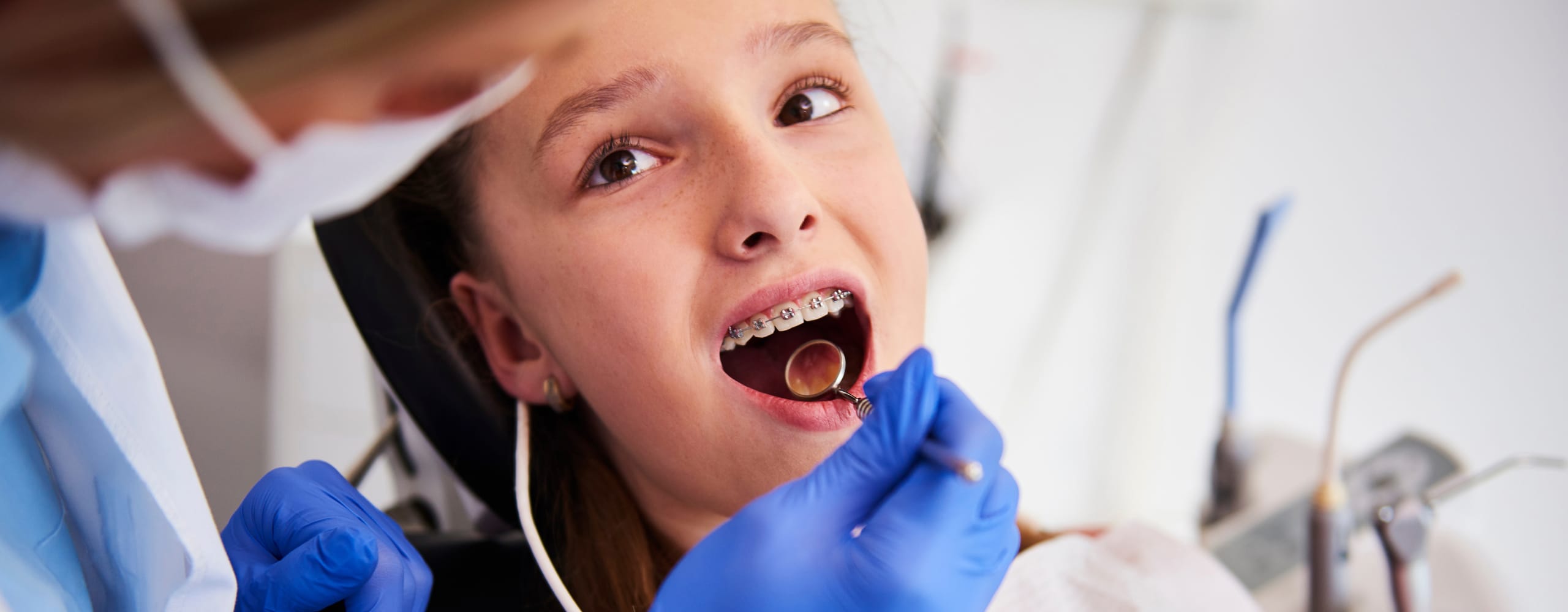
The UCSF Orthodontics residency combines foundational science with advanced clinical and behavioral training to prepare you for leadership in orthodontics. Residents gain extensive experience in the prevention and correction of malocclusions and facial disproportions in children and adults, with a strong emphasis on facial growth, morphology, and neuromuscular function. Graduates receive a certificate in orthodontics, with the option to pursue an MS or PhD in oral and craniofacial sciences. All graduates are eligible for examination by the American Board of Orthodontics.

Why choose UCSF Orthodontics?
The program offers unique benefits that set you up for success in academic, clinical, and research careers:
- Balanced education with strong foundations in science, didactics, clinical care, and research
- Extensive clinical training in orthodontic diagnosis, treatment planning, and delivery, with exposure to interdisciplinary care in prosthodontics, periodontics, oral and maxillofacial surgery, craniofacial anomalies, temporomandibular joint disorders, and orofacial pain
- Opportunities to pursue a concurrent MS or PhD in oral and craniofacial sciences
- Active participation in lectures, seminars, demonstrations, and interdisciplinary conferences
- A fully accredited, 35-month program that meets ADA requirements and prepares you for board certification
Program structure and learning experience
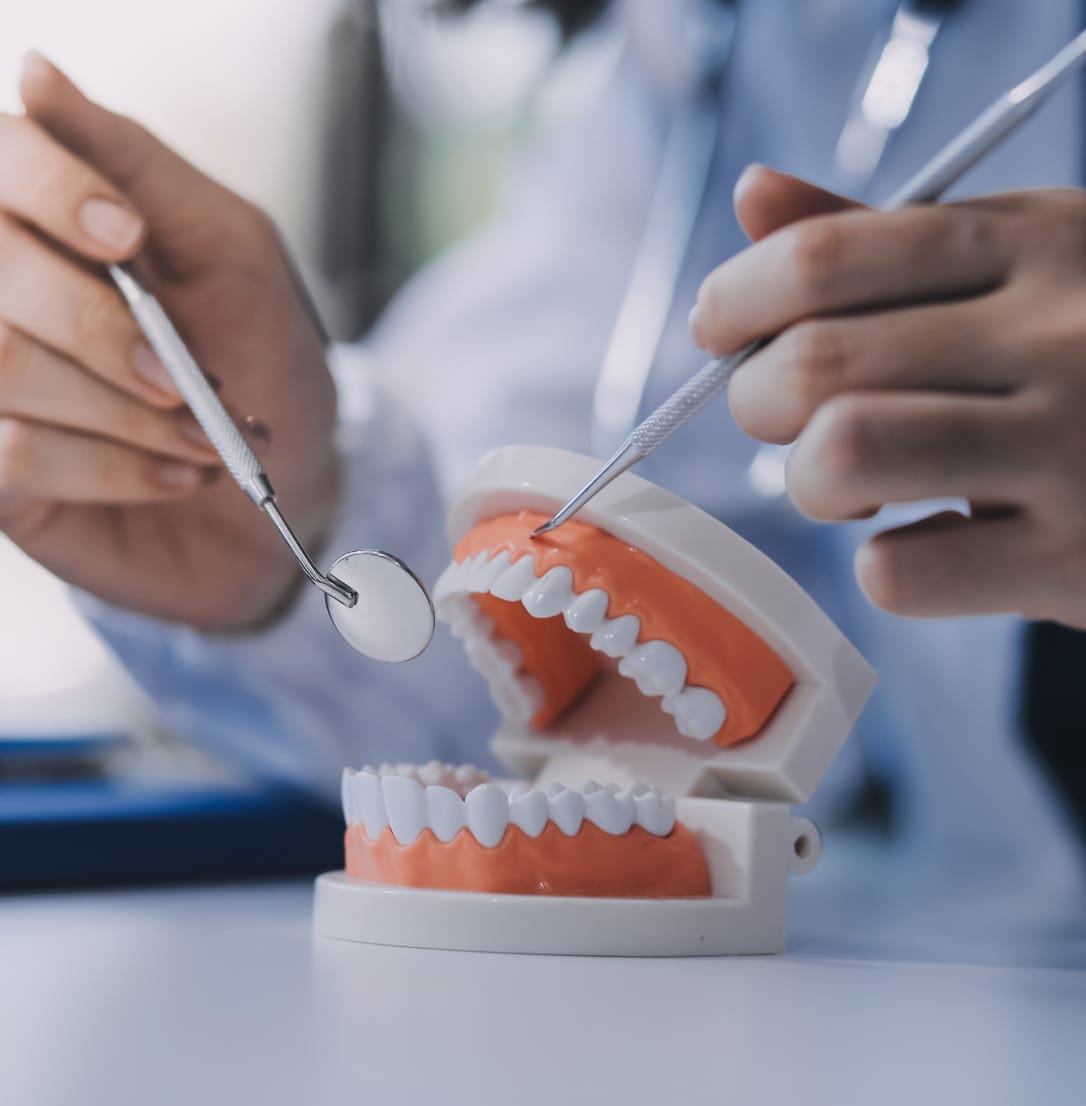
The Orthodontics residency is a full-time, 35-month program beginning each July. The curriculum integrates advanced coursework in oral and craniofacial sciences with extensive clinical and research training. Residents gain hands-on experience in prevention, diagnosis, and correction of malocclusions and facial disproportions, with emphasis on both functional and esthetic outcomes.
Upon completion, residents are awarded a certificate in orthodontics, with the option of pursuing an MS or PhD in oral and craniofacial sciences. All graduates are eligible for examination by the American Board of Orthodontics, and must complete the written exam before finishing the program.
Stipend (subject to change):
- PGY 1: $71,760/year
- PGY 2: $74,128/year
- PGY 3: $76,574/year
Admissions
How to apply
Applicants are accepted through the ADEA PASS system and must also register with the Postdoctoral Dental Matching Program. Admission decisions are based on academic performance, NBDE/INBDE scores, letters of recommendation, research experience, and interviews.
-
To be eligible for admission to the Orthodontics residency program, you must:
- Be a U.S. citizen or permanent resident
- Hold a DDS, DMD, or equivalent degree by the program start date
- Meet NBDE/INBDE requirements:
- Graduates: must pass and submit NBDE Parts 1 & 2 or INBDE by the application deadline
- Current dental students: may be considered for an interview without exam results but must upload INBDE scores to PASS by November 1
- Matched applicants (NBDE track): must pass and submit NBDE Part 2 by program start
- Take the TOEFL if English is not your native language and you have not completed at least one year of higher education in the U.S. or Canada (English-speaking institution)
-
Submit your application through ADEA PASS by the deadline, including: personal essay, CV, official dental school transcript, scanned undergraduate transcripts, three PASS evaluation forms, dean’s institution evaluation, and required scores.
Register with the Postdoctoral Dental Matching Program and submit your Match code through ADEA PASS.
Pay the UCSF nonrefundable application fee through the UCSF application fee portal:
- $60 for domestic applicants
- $80 for international applicants
If you have international coursework: submit a course-by-course evaluation of all transcripts by ECE or WES. A WES ICAP report fulfills both evaluation and transcript requirements.
-
Completed applications are reviewed holistically. Candidates are evaluated on GPA, NBDE/INBDE scores, recommendations, and research/clinical experience. Each year, UCSF admits five residents to the program, with optional concurrent enrollment in the MS or PhD program in oral and craniofacial sciences. Residents are expected to devote 100% of their professional activities to the program; exceptions require program director approval.
-
Invitations are sent directly by the program.
Faculty mentorship that shapes clinical and academic growth
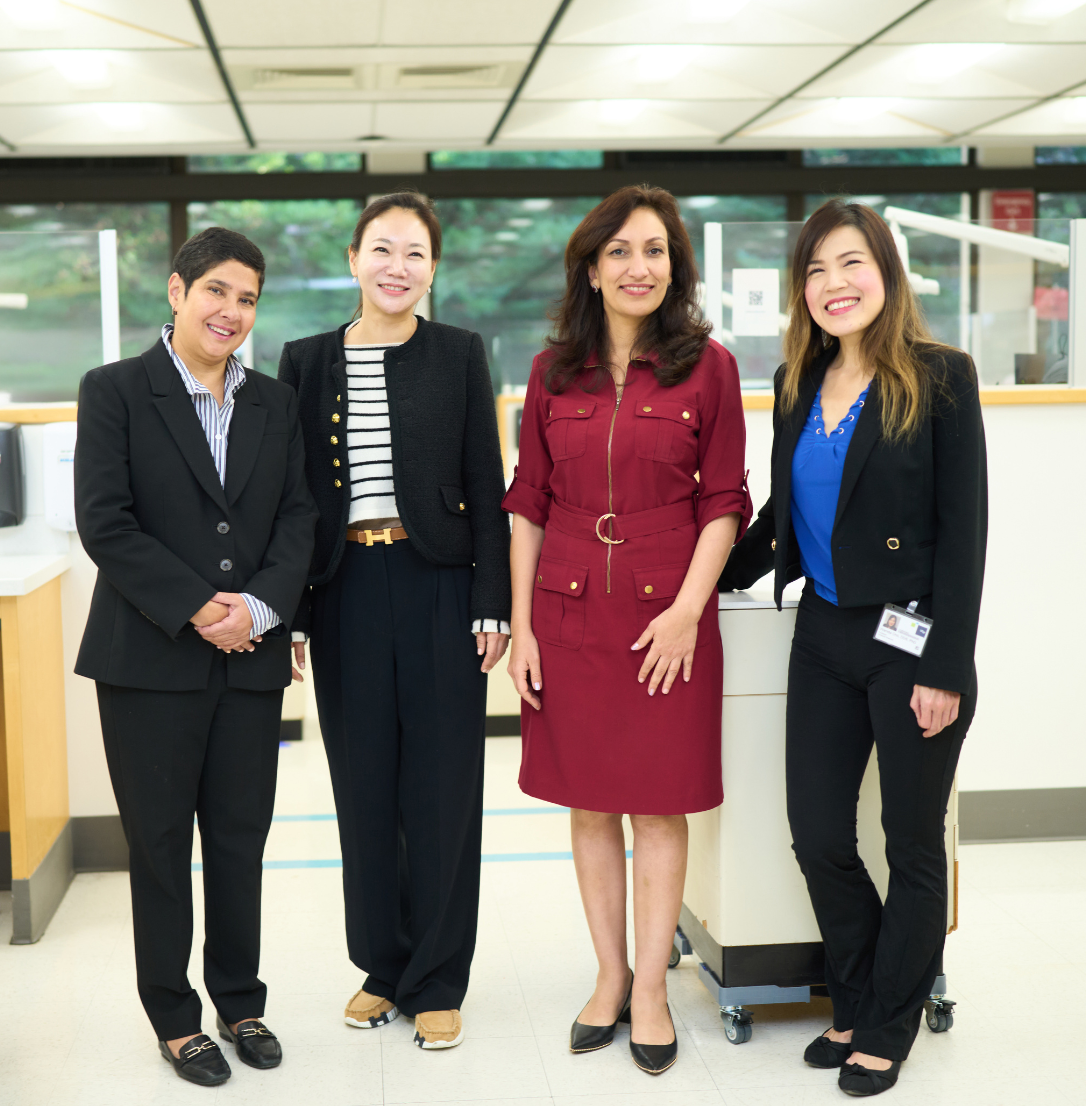
UCSF Orthodontics faculty bring expertise in orthodontic treatment, craniofacial biology, interdisciplinary care, and research. Their mentorship prepares residents for success in both clinical practice and academia.

Join a community of emerging leaders
Residents in the UCSF Orthodontics program gain comprehensive clinical training, conduct meaningful research, and work closely with expert faculty in a supportive learning environment.
Resources
Professional organizations and resources
Have questions about the Orthodontics residency?
Contact the Postgraduate Programs Office of Admissions and Outreach